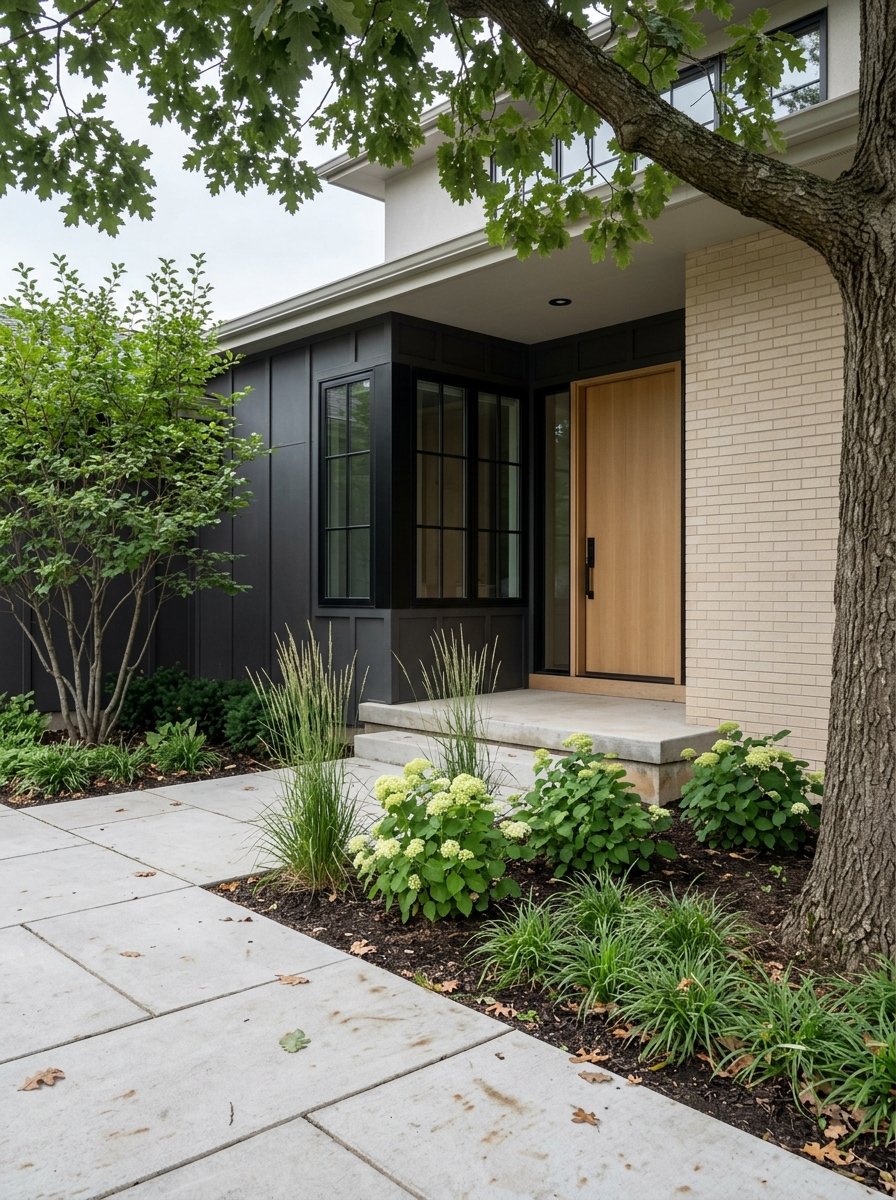
If you are weighing a newer build against an established neighborhood in Plymouth, you are asking the right question. In this market, the choice is not simply about old versus new. It is about how you want to live, how much upkeep you want to take on, and what kind of setting feels right for your next move. Let’s break down what newer construction and established neighborhoods really look like in Plymouth so you can compare them with confidence.
Plymouth's Housing Snapshot
Plymouth is a strongly owner-occupied community, with a 75.1% owner-occupied housing rate and an estimated median owner-occupied home value of $491,200 in the latest U.S. Census data. The city also reports a median household income of $136,534, which helps explain why many buyers here are focused on long-term fit, quality, and value rather than quick fixes alone. You can review that local data through the U.S. Census Bureau's Plymouth quick facts.
What makes Plymouth especially interesting is that it is nearing full build-out. According to the city's 2024 financial update and planning materials, much of today's new housing is tied to redevelopment and infill, not large-scale greenfield expansion. That means your decision is often less about choosing between two totally separate parts of town and more about choosing between newer redevelopment nodes and mature suburban housing stock.
Where Newer Builds Are Happening
If you are looking for newer housing in Plymouth, you will mostly find it in redevelopment areas and infill pockets. The city has been actively reshaping areas like City Center through updated zoning and planning to allow townhomes, apartments, and mixed-use residential development, along with improved public spaces and transit connectivity.
You can also see this trend in specific projects. The Harbor/Fernbrook area north of Highway 55 has included proposals for two new 176-unit apartment buildings, and Plymouth Plaza near County Roads 101 and 6 received approval for a 195-unit apartment building plus new commercial space, according to the city's development application materials and City Center planning pages.
This pattern matters because it shapes the experience of buying newer in Plymouth. Instead of broad subdivisions spreading outward, newer options here are often integrated into evolving, more connected parts of the city. For some buyers, that feels fresh and convenient. For others, it may feel different from the classic suburban neighborhood experience they had in mind.
What Established Neighborhoods Look Like
Plymouth's established neighborhoods are closely tied to the city's major growth period from the 1970s through the 1990s. In the city's 2040 housing plan, housing inventory data shows that 18.76% of units were built in the 1970s, 26.45% in the 1980s, and 21.21% in the 1990s.
That age profile gives many Plymouth neighborhoods a more mature suburban feel. While every block and property is different, established areas are more likely to feature mature landscaping, familiar suburban layouts, and homes that have had time to settle into the streetscape. They are not typically "historic" in the formal sense, but they often offer the lived-in character many buyers want.
For buyers who like a neighborhood that feels rooted and fully formed, this can be a big advantage. You may find yourself drawn to the way these areas look and function day to day, even if some homes need updates over time.
Why Buyers Often Prefer Newer Homes
For many buyers, the appeal of newer construction comes down to simplicity. A newer home often feels more turnkey at move-in, with fewer immediate repair items and a more current layout.
Energy performance is another reason newer homes stand out. The U.S. Department of Energy notes that efficient new homes can exceed current building codes and help reduce utility bills and maintenance costs, while ENERGY STAR-certified new homes must meet strict energy-efficiency standards. In practical terms, that can translate into lower operating costs and fewer early surprises.
Newer homes can also appeal if your move timeline is tight. If you want a home that needs little work upfront, newer construction may offer a smoother landing.
Why Established Neighborhoods Still Win Buyers Over
Established neighborhoods offer a different kind of value. Instead of paying for brand-new finishes and systems, you may be buying into location, lot feel, neighborhood maturity, and the opportunity to personalize a home over time.
That can be especially appealing in Plymouth, where older homes are often not extremely old by Twin Cities standards. According to the city's housing plan, as of 2016 about 67% of Plymouth's housing stock was less than 35 years old, and 41% was less than 25 years old. So while established homes may need updates, many are still part of a relatively modern suburban housing base.
Plymouth also has programs that may help eligible homeowners improve older properties. The city's Home Rehabilitation Program offers eligible homeowners a zero-interest deferred loan of up to $40,000 for repairs and improvements such as roofs, windows, siding, electrical, plumbing, heating, and insulation. The city also offers architectural design consultations for owners considering updates or added living space.
Four Questions to Guide Your Choice
The best way to compare Plymouth newer builds and established neighborhoods is to focus on how you want your next home to function. The city's housing guidance supports a practical four-part framework.
1. How Much Maintenance Do You Want?
If you want to minimize repairs and updates in the near term, newer construction may feel like the safer fit. Newer systems, materials, and code standards can reduce the odds of immediate projects.
If you do not mind taking on improvements over time, an established home may open more options. You might trade some upfront convenience for a more mature setting or the chance to make targeted upgrades later.
2. How Soon Do You Need to Move?
A home that is already finished and needs little work can make a move feel simpler. That can be especially helpful if you are relocating, balancing a sale and purchase, or trying to keep your timeline tight.
Established homes can still work well on a fast timeline, but they may come with more decision-making after closing. If you know you want to renovate quickly, make sure that fits your budget and bandwidth.
3. How Important Are Modern Layouts and Efficiency?
If an open layout, current finishes, and stronger energy performance sit high on your list, newer construction may have the edge. Many buyers prioritize these features because they support easier daily living and lower maintenance.
If you care more about the broader setting than having every finish feel new, an established home may still be the better fit. In that case, you can evaluate whether the home's layout and condition work well enough now or could improve over time.
4. What Kind of Neighborhood Feel Do You Want?
This is often the deciding factor. Some buyers prefer newer-construction settings connected to redevelopment areas, updated infrastructure, and evolving mixed-use districts.
Others want the feel of a mature suburban neighborhood shaped by Plymouth's earlier growth decades. The city itself presents this as a nuanced market, not a strict either-or choice, especially as places like City Center continue to evolve while much of the broader city remains established and owner-occupied.
A Side-by-Side Plymouth Comparison
| Factor | Newer Builds in Plymouth | Established Neighborhoods in Plymouth |
|---|---|---|
| Typical location pattern | Often redevelopment and infill nodes | Mostly 1970s-1990s suburban growth areas |
| Move-in condition | More likely to feel turnkey | Varies more by home |
| Maintenance needs | Often lower at the start | May require updates sooner |
| Energy performance | Often a key selling point | Depends on age and improvements |
| Neighborhood feel | Newer, evolving, more redevelopment-driven | Mature, settled, more traditional suburban feel |
| Personalization potential | May need less right away | Often stronger renovation opportunity |
The Real Answer in Plymouth
In Plymouth, this decision is rarely about one option being universally better. It is about fit. Newer homes often deliver convenience, efficiency, and a more turnkey start, while established neighborhoods can offer a mature setting, recognizable suburban character, and room to add value through updates.
Because Plymouth is approaching full build-out, that contrast is becoming more distinct. New housing is increasingly tied to redevelopment, while many of the city's classic neighborhoods reflect decades of established ownership and long-term community growth. If you understand that local pattern, you can make a much more informed decision.
If you want help comparing specific homes, blocks, or redevelopment areas in Plymouth, Isaac Kuehn can help you evaluate the tradeoffs and find the right fit for your move.
FAQs
What is the main difference between newer builds and established neighborhoods in Plymouth?
- In Plymouth, newer builds are more often found in redevelopment and infill areas, while established neighborhoods mostly reflect the city's 1970s-1990s growth and tend to offer a more mature suburban setting.
Are there many brand-new subdivisions left in Plymouth?
- Not many. Plymouth is approaching full build-out, so new housing is increasingly tied to redevelopment and infill rather than large greenfield subdivision growth.
Do newer homes in Plymouth usually have lower maintenance needs?
- They often do at the outset, since newer homes may have newer systems, materials, and better energy performance, though maintenance needs still depend on the specific property.
Are older homes in Plymouth considered very old by Twin Cities standards?
- Generally, no. City housing data shows much of Plymouth's housing stock is relatively modern compared with older parts of the metro, even in established neighborhoods.
Are there local programs that help with updating older Plymouth homes?
- Yes. Plymouth offers eligible homeowners a Home Rehabilitation Program with a zero-interest deferred loan of up to $40,000, along with architectural design consultations for certain update projects.