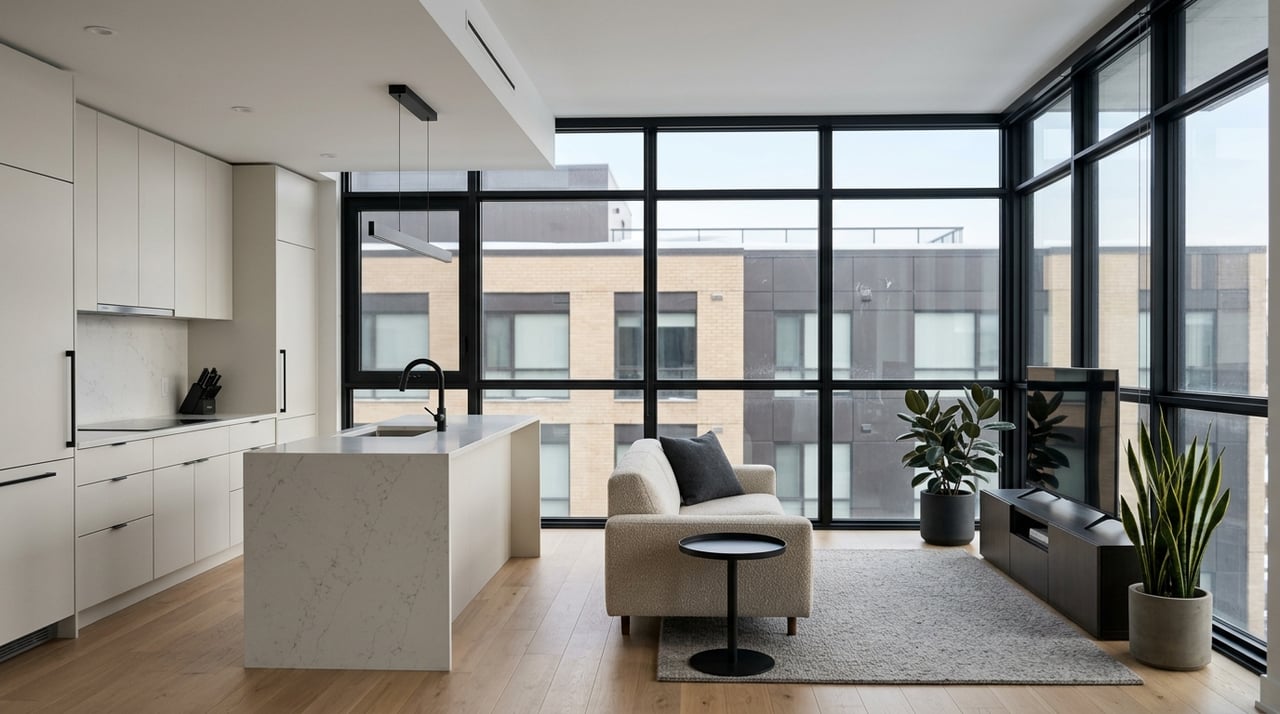
What does day-to-day life in a downtown Minneapolis condo actually feel like? For a lot of buyers, that question matters just as much as square footage or finishes. If you are thinking about living downtown, this guide will help you picture the rhythm of daily life, from morning coffee runs to winter skyway routes and summer nights near the river. Let’s dive in.
Downtown feels more lived-in than people expect
Downtown Minneapolis is not just a place people commute into for work. The city says more than 60,000 people live downtown, which gives the area a real neighborhood feel throughout the year. That can surprise people who only know the skyline from afar.
In practice, condo living downtown often means being part of a compact, active urban environment where daily errands, dining, events, and transit are close together. Instead of planning your week around driving, you may find yourself planning it around what is a short walk, a quick train stop, or an easy skyway route.
Micro-neighborhoods shape your routine
Not every downtown condo offers the same day-to-day experience. Your routine can look very different depending on which part of downtown you call home. That is one reason local knowledge matters when you start comparing buildings.
Central Business District living
The Central Business District is the heart of the skyway system. If you like the idea of indoor connections, easy weekday lunch options, and quick access to core downtown destinations, this area can feel especially convenient. Daily life here often centers on efficiency.
North Loop and Warehouse District energy
North Loop and the Warehouse District bring a different pace. This part of downtown is known for a trendier, nightlife-heavy feel, so your routine may include more restaurant traffic, busier evenings, and a stronger mix of residential and entertainment activity. For many condo buyers, that creates a more social street-level experience.
East Town and Mill District access
East Town and the Mill District connect downtown to the river, stadiums, and many condo buildings. If you want river access and a strong link between downtown living and outdoor landmarks, this area often stands out. It can feel especially appealing if your ideal day includes both city convenience and scenic walks.
Nicollet Mall anchors daily life
Nicollet Mall plays a major role in everyday downtown life. It is described as downtown’s main shopping and entertainment corridor, with a street design that supports walking, public art, patio seating, buses, and taxis. For many condo residents, it becomes part of the weekly routine rather than just a place to visit.
That matters because a successful urban lifestyle often depends on having one reliable spine that ties everything together. Whether you are grabbing coffee, meeting a friend, running into Target for basics, or heading to dinner, Nicollet often becomes part of the path.
You may not need your car every day
One of the biggest lifestyle shifts in a downtown Minneapolis condo is how often you can leave your car parked. Downtown gives you several ways to get around, and that flexibility can simplify your schedule. For many residents, convenience becomes one of the strongest benefits of condo living.
The skyway becomes part of your routine
The Minneapolis skyway system is one of the defining parts of downtown life. The city says it runs about 9.5 miles, connects roughly 80 blocks, and is the largest continuous enclosed second-level bridge system in the world. During winter especially, that changes how you move through the city.
City rules also require public access during set weekday and weekend hours, and skyways must be heated to at least 55 degrees in winter. That helps explain why indoor circulation is such a practical part of daily life. You can run errands, meet for lunch, or get from one part of downtown to another with much less exposure to the weather.
Still, the system is not perfectly uniform. Because the skyway is a mix of public and privately owned segments, access can vary by building. If you are buying a condo downtown, it helps to understand not just whether a building connects to the skyway, but how that connection works in real life.
Transit is built into the core
Metro Transit makes downtown easy to navigate without a full commute budget. The Downtown Zone fare is 50 cents, Nicollet has free-fare buses, and both the Blue and Green light-rail lines serve downtown with shared stops. That gives you practical options for work, events, and daily movement.
This kind of transit access can make condo living feel lighter and more flexible. If you are used to driving everywhere, downtown Minneapolis can offer a very different rhythm, one where short trips feel simple instead of time-consuming.
Walking, biking, and scooters fill the gaps
Not every trip needs a train or a bus. Walking is part of daily life in the core, and biking is also a popular way to get around Minneapolis. In warmer months, bike share and scooters become especially visible downtown.
That variety matters because it gives you options that match the moment. Some days it is a skyway lunch, some days it is a walk along the street, and some days it is a quick ride across downtown.
The neighborhood often feels like the amenity package
When people think about condo amenities, they often picture gyms, lounges, or rooftop decks. In downtown Minneapolis, the neighborhood itself is often a major amenity. That can be a big part of the appeal.
Coffee shops are woven into the core, and the flagship Target on Nicollet makes last-minute errands much easier. When basics are close by, everyday life can feel more efficient and less car-dependent. For many residents, that convenience becomes one of the most valuable parts of living downtown.
Coffee and quick errands are easy
A good downtown routine usually starts with simple things done well. Being able to step out for coffee, pick up household basics, or take care of a quick errand without a major trip changes how your day flows. That is a practical luxury many buyers come to appreciate.
Instead of treating errands as a separate task, you can often fold them into your normal route. That is part of what makes urban condo life feel streamlined.
Weekday lunch has its own rhythm
Skyway dining is part of downtown culture. There is a wide range of skyway eateries, and many of them are open mainly on weekdays. That helps shape the energy of downtown, especially in the middle of the day.
If you live nearby, that weekday momentum can work in your favor. A quick lunch option or coffee break often feels close and easy, which is one of the small day-to-day benefits of living in the center of the city.
Dinner options stay close to home
Downtown dining also gives condo life range. Long-running names like Murray’s and Hell’s Kitchen sit alongside destination-driven spots such as Noa and Owamni. That mix makes it easy to shift from casual routine to a more planned night out.
For you, that can mean less effort and more spontaneity. A pre-show dinner, a reservation with friends, or a simple meal nearby can all fit naturally into the week.
Winter changes how downtown works
In Minneapolis, the weather shapes lifestyle in a real way. NOAA data shows a January average high of 28.8 degrees, a January average low of 15.2 degrees, and average annual snowfall of 51.2 inches. If you are considering a downtown condo, it helps to understand how much winter affects the daily pattern.
This is where downtown infrastructure really stands out. Heated skyways, indoor routes, and close-together destinations can make city living feel much more manageable in cold months. You still live in Minnesota winter, of course, but your exposure can be more controlled.
That changes daily habits in practical ways. You may choose buildings with better indoor connections, lean more on transit, or think differently about where groceries, coffee, and dining sit in relation to home.
Summer brings a different mood
Summer flips downtown Minneapolis into a different version of itself. NOAA shows average July highs around 83.4 degrees, and downtown programming expands into that warmer weather. Streets, parks, and public spaces tend to feel more active and social.
Programming on Nicollet includes Downtown Wednesdays, and downtown parks host regular music and movie events. For condo residents, that creates a sense of seasonal energy right outside your building. Your neighborhood can feel like it has its own built-in calendar.
This contrast is part of what makes downtown living distinctive. Winter rewards smart routes and indoor convenience, while summer opens up patios, river walks, and public events.
Culture stays close to home
A downtown Minneapolis condo can place you near a long list of cultural landmarks. The Guthrie Theater, Orchestra Hall, Target Center, Mill City Museum, the Stone Arch Bridge, the Walker Art Center, and the Minneapolis Sculpture Garden all sit within the downtown resident’s mental map. That concentration is unusual for such a compact urban area.
What that means for daily life is simple: culture can become part of your regular routine instead of an occasional outing. You may decide on a show after work, take a weekend walk near the river, or spend a free afternoon exploring a nearby destination without much planning.
That kind of access is hard to capture in a property search alone. It is not just about the condo itself. It is about how the city around it supports the way you want to live.
Downtown condo life is practical and lifestyle-driven
The best way to think about everyday life in a downtown Minneapolis condo is as a balance of convenience and experience. You get practical advantages like transit, skyways, walkability, and close-by errands. You also get lifestyle benefits like dining, public spaces, river access, and cultural venues woven into the week.
That balance looks a little different from building to building and block to block. If you are searching for the right fit, the details matter, from skyway access and transit options to the feel of the surrounding micro-neighborhood. A condo may look great online, but the real question is whether the daily rhythm fits you.
If you want help narrowing down the right downtown condo, loft, or urban neighborhood in Minneapolis, Isaac Kuehn can help you compare buildings, understand the character of each area, and find a home that matches how you actually want to live.
FAQs
What is everyday life like in a downtown Minneapolis condo?
- Everyday life often centers on walkability, transit, nearby dining, quick errands, and seasonal routines shaped by the skyway and the weather.
Do you need a car to live in downtown Minneapolis?
- Not always. Many residents use the skyway, buses, light rail, walking, biking, and scooters for daily trips, which can reduce how often a car is needed.
How does the Minneapolis skyway affect condo living?
- The skyway can make winter travel easier by connecting much of downtown through heated indoor routes, though access can vary depending on the building and ownership of specific segments.
Which downtown Minneapolis area feels best for condo buyers?
- It depends on your routine. The Central Business District tends to be skyway-focused, North Loop and the Warehouse District feel more nightlife-oriented, and East Town and the Mill District offer strong access to the river and stadium areas.
What makes downtown Minneapolis condos appealing year-round?
- The appeal comes from a mix of practical convenience and city lifestyle, including nearby errands, transit access, dining, public programming, and cultural destinations across all seasons.